
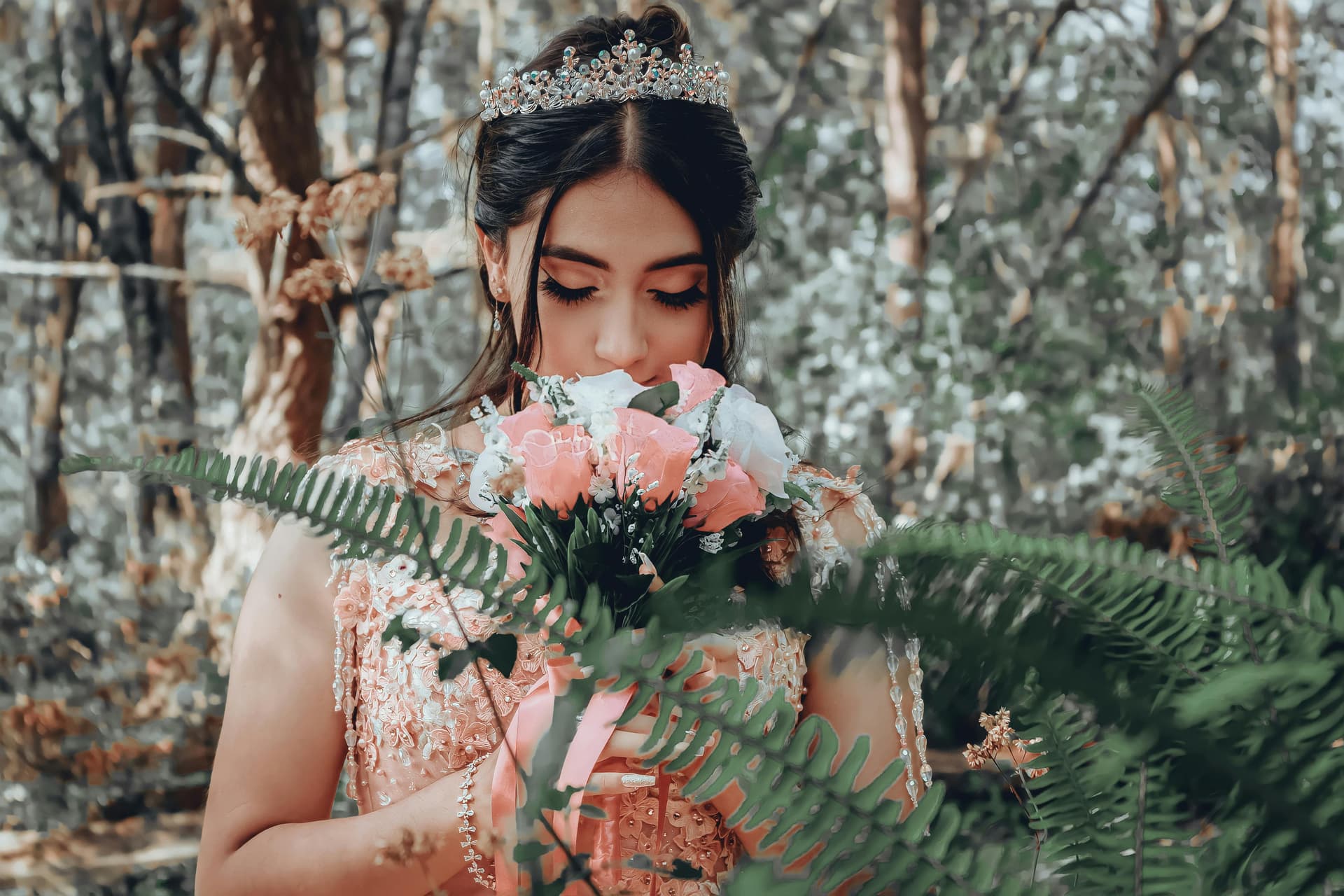
Your daughter's fifteenth birthday is one of the most important celebrations in your family's life. The invitation is not just paper or pixels. It sets the tone for a moment people remember for decades.
So here's the real question: in 2026, does a quinceañera still need traditional paper invitations, or is digital the smarter choice?
The honest answer is: it depends on your family, but digital wins more often than tradition would have you believe. Here's the side by side breakdown, including a few things nobody talks about, like bilingual invitations, last minute RSVPs, and the real environmental cost of 200 paper invites.
TL;DR
For most families, digital invitations save 70 to 90% of the cost, eliminate the "Did you get my invite?" texts, support bilingual messaging in one click, and let you update details after sending. Paper still wins when the abuela needs something to put on her fridge. The smart move is often a hybrid: digital for everyone, paper for the elders who deserve a keepsake.
Quick comparison
| Factor | Digital | Paper |
|---|---|---|
| Cost (200 guests) | $0 to $20 total | $400 to $1,800 |
| Time from design to inbox | Minutes | 3 to 6 weeks |
| RSVP tracking | Automatic, live | Manual phone calls, missed cards |
| Bilingual (Spanish + English) | Both languages, one design | Print twice or compromise |
| Edit after sending | Instant | Reprint and resend |
| Environmental impact | Negligible | ~3.5 kg paper + ink + freight |
| Keepsake feel | Optional download or print | Included |
| Tradition signal | Modern, inclusive | Classic |
The cost reality
A traditional paper quinceañera invitation suite (invitation, RSVP card, envelope, plus calligraphy or printing fees) runs $2 to $9 per guest. For a 200 person celebration, that's $400 to $1,800 before postage. Add international postage for the prima in Mexico City and the cost climbs further.
Digital invitations are typically $0 (free tier) to $20 (premium template plus custom font plus RSVP unlock). Even the most premium digital quinceañera invitation is cheaper than the postage on 50 paper ones.
The savings aren't just money. The 20 plus hours you'd spend addressing envelopes, sticking stamps, and chasing RSVPs come back to you as time you can spend with your daughter on what actually matters: the dress, the choreography, the chambelán practices.
RSVP and the guest list problem
Paper invitations rely on guests remembering to mail back the RSVP card by a specific date. In practice, around 40 to 60% don't. Then you spend the two weeks before the event calling everyone to ask if they're coming, while the caterer waits for a final headcount.
Digital invitations track RSVPs automatically. Your guest count updates in real time. People can RSVP from their phone in 30 seconds while waiting for coffee. Plus ones, dietary requirements, and song requests can all be collected at the same time.
For a quinceañera with a dinner reception, this isn't a small benefit. It's the difference between a calm two weeks before the event and a panicked one.
Tradition, the abuela, and what families actually feel
This is the question that keeps families up at night: will sending a digital invitation insult the abuelos, the comadres, the family in Mexico?
The honest answer from the families who've made the switch: no, but be smart about it.
Older relatives generally accept digital invitations when they're personally walked through them. A quick phone call from the quinceañera or her mom showing them how to RSVP works wonders. What they don't accept is feeling left out. The way to keep tradition alive is not necessarily paper. It's the personal contact.
The compromise that works best in practice: send digital to everyone, then deliver a paper keepsake by hand or by mail to the closest 5 to 10 relatives. The grandmother gets her invitation on the fridge. Everyone else gets the convenience.
The bilingual advantage (digital only)
This one matters specifically for quinceañeras. Many families have guests on both sides of a language line: Spanish speaking elders, English speaking cousins, friends who switch between both.
With paper, you choose one language or print twice. Either choice creates an awkward moment: someone gets a card they can't fully read, or you double the cost.
Digital invitations can show both languages on the same screen. A Spanish quinceañera template with English translation toggle, or a Spanish primary design with English subtitles. No one is left guessing what "Esperamos contar con su valiosa presencia" means.
If you're doing Charro Tradicional, Princesa Rosa, or Royal Burgundy in your celebration, the bilingual aspect is also a chance to honor the dual heritage: traditional Mexican design language with modern accessibility.
Personalization that goes beyond the design
Paper invitations let you choose paper stock, embossing, foil, ribbon. Real, tactile customization. There's no replacement for that physical experience for a keepsake.
Digital invitations open a different kind of personalization: animated reveals when the guest opens the link, personalized greetings ("¡Querida Tía Maria, te esperamos!"), countdown timers ticking down to the event, photo galleries that update as the planning progresses, and an integrated wedding website if you want one.
Paper personalization peaks at "wow, the cover stock feels nice." Digital personalization can include the abuela's voice greeting playing when she opens the invitation. Both are valid. They serve different purposes.
When paper still wins
Paper isn't dead. It's the right choice when:
- The abuela is over 80 and has never used a smartphone (still send digital to others, but mail her a printed keepsake)
- The family treats the invitation itself as a memento: keepsake books, scrapbook, frame on the wall
- Your venue is offline or formal traditional and the paper signals respect
- You want the calligraphy and physical presentation to be part of the celebration aesthetic
These are real reasons. Don't let anyone tell you paper is outdated. It's a deliberate choice with its own value.
When digital wins
Digital is the right choice when:
- Cost is a real factor for most families, since quinceañeras are expensive enough already
- Your guest list crosses borders, languages, or countries
- You want to know who's coming without making 50 phone calls
- The event is less than 4 weeks away (paper is impossible at that timeline)
- You want to add itinerary, photo gallery, dress code, parking instructions, and updates without reprinting
- You care about the environmental footprint of 200 paper invitations going to landfill
For most modern families, all of these apply.
The hybrid approach (what most families actually do)
The smartest families do both:
- Send beautiful digital invitations to all 200 guests for RSVP, live updates, and accessibility
- Print 5 to 10 keepsake paper versions for the abuelos, padrinos, and the quinceañera herself
- Skip paper for everyone else
You spend $30 to $50 on the keepsakes instead of $1,500 on a full paper run. The traditionalists are honored. The rest of the guest list RSVPs in 30 seconds. Everyone wins.
Frequently asked questions
Is it disrespectful to send digital quinceañera invitations to elders?
No, when done thoughtfully. Send the digital invitation to everyone, then personally walk older relatives through it (or send them a printed keepsake separately). The "respect" lives in the personal contact, not in the medium.
Can I make a quinceañera invitation in Spanish only?
Yes. You can also make a bilingual one that shows both Spanish and English. Some platforms (including Invyt) ship templates that include EN and ES toggles for the quinceañera invitation specifically.
How far in advance should I send digital quinceañera invitations?
Send the early announcement six to eight weeks before the event. Send the formal invitation four to six weeks before. The same timeline as paper, but without the 3 week printing buffer.
What happens if my plans change after sending?
With digital, you update the invitation once and every guest sees the new details on their next visit. With paper, you reprint, mail again, and pray the new card arrives before the old one creates confusion.
Can I track who's planning to bring a plus one or has dietary needs?
Digital invitations collect plus ones, dietary preferences, song requests, and any other custom question you want to ask, all automatically. Paper RSVPs collect whatever the guest scribbles on the line, if they remember to send it back.
Are digital quinceañera invitations safe to share?
Yes. The link is private to invited guests; only people you send the link to can RSVP. Reputable platforms don't sell guest data, don't add third party ads, and let you delete everything after the event.
Bottom line
For most families planning a 2026 quinceañera, digital is the smarter primary choice, with paper as an optional keepsake for the closest few. You save money, save time, support bilingual guests, track RSVPs automatically, and honor tradition by being personal with the elders who matter most.
Tradition isn't paper. Tradition is the celebration itself, the family, the moment your daughter steps into adulthood. The invitation is just how you tell people to come.
Ready to design your daughter's quinceañera invitation? Try one of three Mexican tradition templates on Invyt: Charro Tradicional, Princesa Rosa, or Royal Burgundy. All free. Bilingual options included. No paper to mail. No RSVPs to chase.